
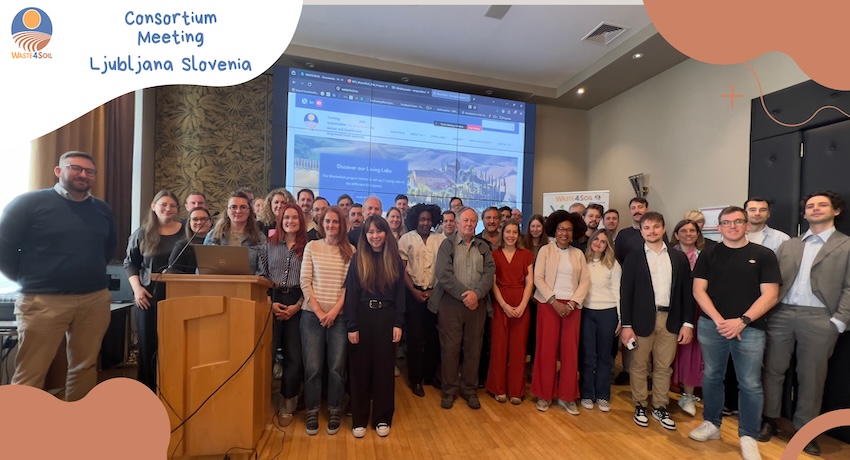
The Waste4Soil consortium gathered in Ljubljana, Slovenia, on 19–20 May 2026 for its 36-Month General Assembly Meeting. Hosted by the University of Ljubljana, Biotechnical Faculty, KOTO, and the Science and Research Centre Koper (ZRS Koper), the two-day event brought together project partners from across Europe to review progress, exchange knowledge, and shape the next steps towards sustainable soil health and nutrient management solutions.
Combining project updates, governance discussions, interactive workshops, and field visits, the meeting provided a valuable opportunity to strengthen collaboration across the consortium and advance the project’s shared objectives.
Reviewing progress and shaping future actions
The first day focused on project coordination and updates from the various work packages. Following the opening session, the project coordinator, representatives of the University of Ljubljana, Biotechnical Faculty, and work package leaders presented the latest developments, key achievements, and upcoming priorities.
Discussions highlighted methodological advances, scientific progress, and future activities supporting Waste4Soil’s mission to promote circular bioeconomy approaches and sustainable nutrient management practices. Partners also explored opportunities to maximise project impact through collaboration across Living Labs and stakeholder networks.
Poster sessions and networking opportunities throughout the day encouraged knowledge exchange between partners from different disciplines and regions, fostering new ideas and synergies for future activities.
The day concluded with a guided tour of Ljubljana’s historic centre, offering participants the opportunity to discover the city’s rich cultural heritage while continuing informal discussions with fellow consortium members.
Exploring sustainable solutions in the Slovenian Living Lab
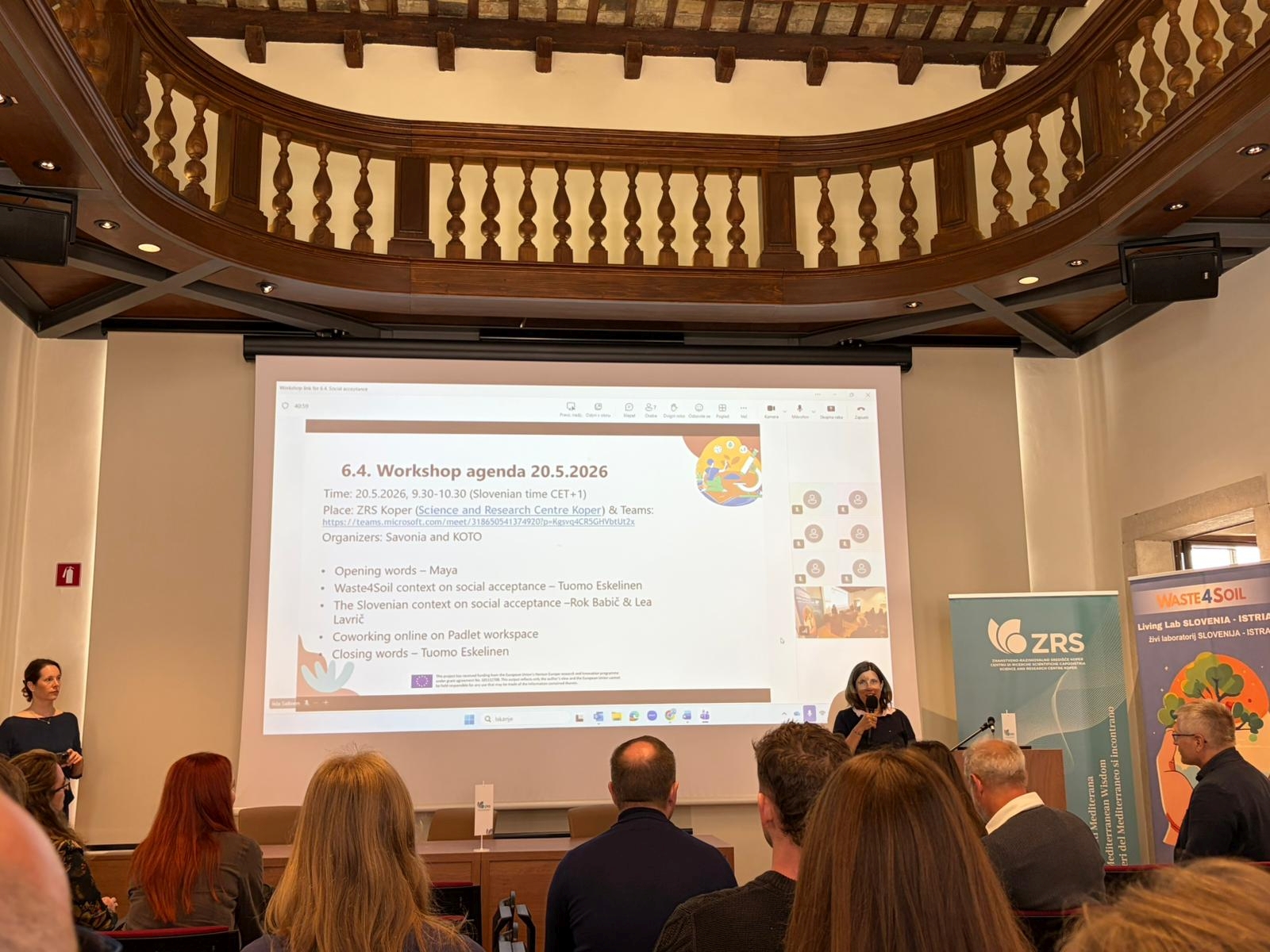
The second day began with a visit to the Science and Research Centre Koper (ZRS Koper), a key partner in the Slovenian Living Lab. Participants took part in an interactive workshop focusing on:
- Business models for sustainable soil initiatives
- The Slovenian context and social acceptance of soil management practices
- Future opportunities for sustainable soil and nutrient management
The workshop stimulated productive discussions on how innovative soil solutions can be effectively implemented, scaled up, and supported through stakeholder engagement and appropriate governance frameworks.
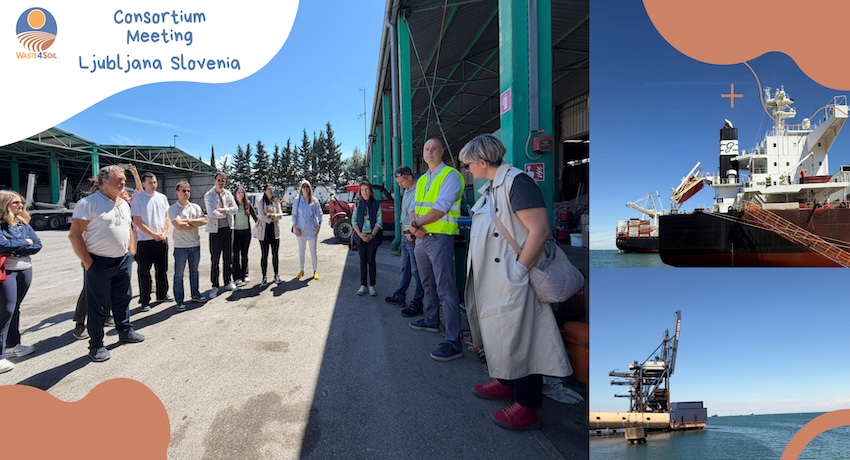
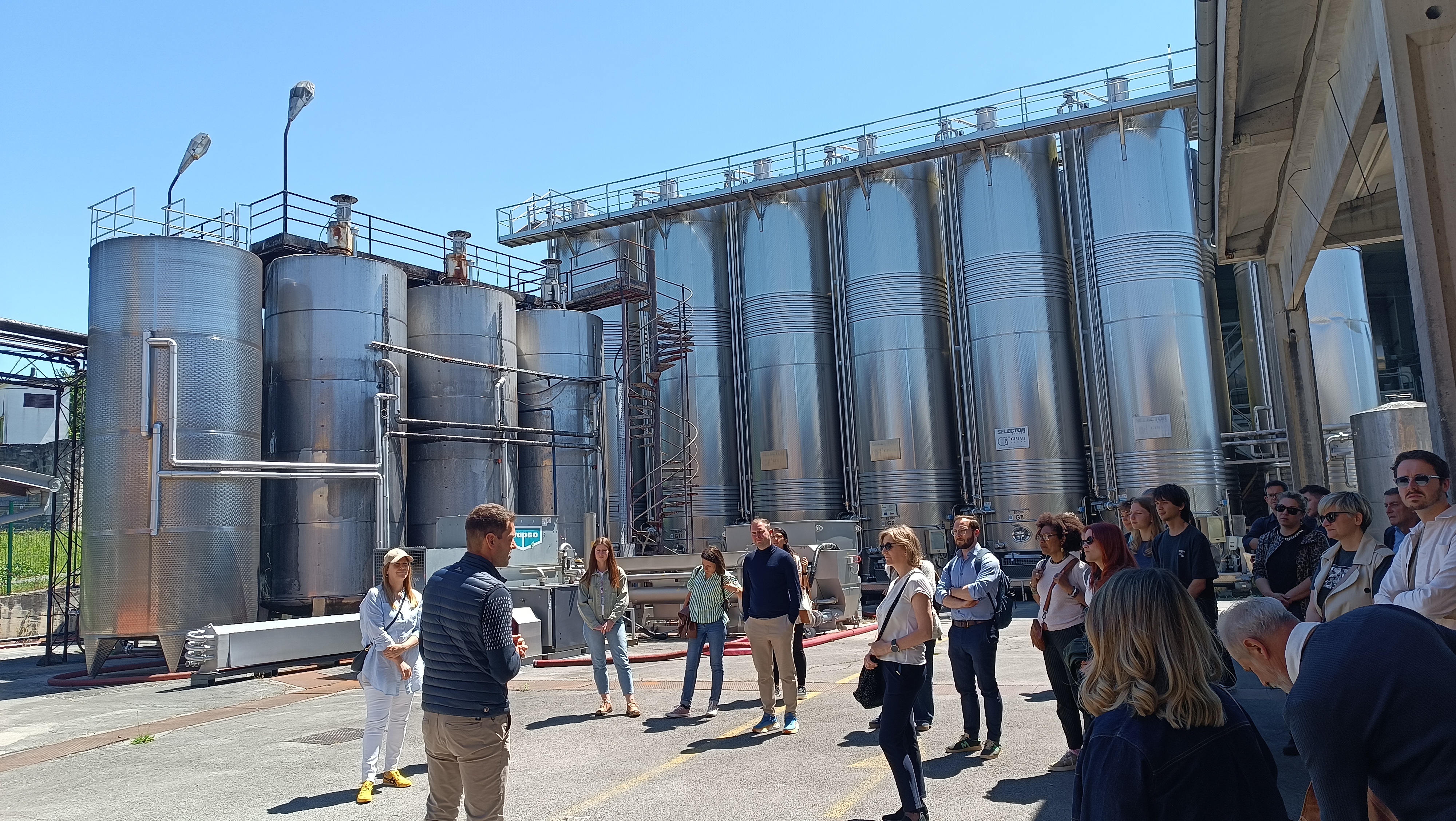
Participants also visited the Port of Koper (Luka Koper) composting facility and Vinakoper, gaining first-hand insights into regional circular economy practices, resource recovery solutions, and innovative approaches to sustainable resource management. These site visits provided valuable examples of how circular nutrient management principles can be applied in practice.
Key outcomes from the meeting
The 36M General Assembly marked an important milestone for Waste4Soil, reinforcing collaboration across the consortium while advancing discussions on scientific progress, Living Lab implementation, stakeholder engagement, and future impact pathways.
Key outcomes included:
- Sharing project achievements, methodologies, and future plans across all work packages
- Strengthening cooperation between consortium partners and Living Lab regions
- Showcasing practical soil health and circular bioeconomy solutions through field demonstrations
- Advancing discussions on policy recommendations, business models, and project results
- Encouraging dialogue on stakeholder engagement, social acceptance, and fair transitions
- Defining priorities and actions for the next phase of project implementation
Looking ahead
The consortium extends its sincere thanks to the University of Ljubljana, Biotechnical Faculty, KOTO, and the Science and Research Centre Koper (ZRS Koper) for hosting the meeting and facilitating two productive days of collaboration, discussion, and knowledge exchange.
As Waste4Soil moves forward, partners remain committed to developing innovative solutions that support healthier soils, resilient agricultural systems, and sustainable nutrient cycles across Europe. The outcomes of the Ljubljana meeting will help guide the next phase of project activities and strengthen the project’s contribution to Europe’s transition towards more sustainable land and resource management practices.


